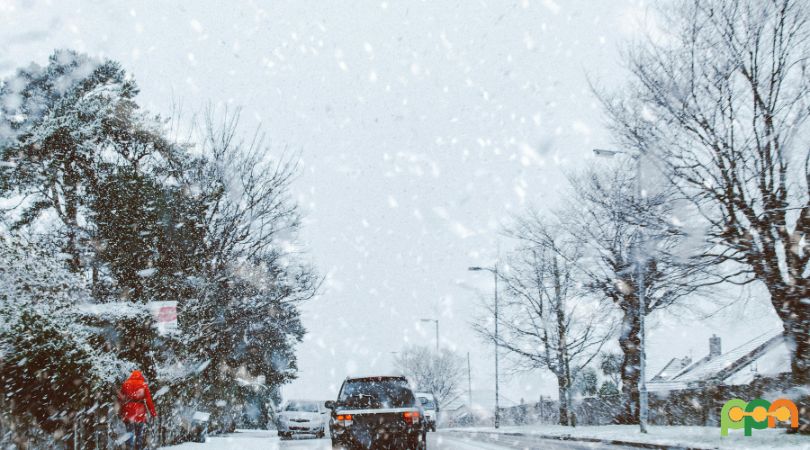
blizzard
A blizzard is not just a heavy snowstorm. According to the National Weather Service, a storm is classified as a Read more
peace of mind
Understanding the Significance of Preparedness and Peace of Mind  Preparedness and peace of mind play an essential role in our Read more
emergency readiness
Understanding the significance of emergency readiness is more crucial than ever before, considering our rapidly changing and unpredictable world. Whether Read more
second disaster
Experiencing a second disaster right when the first disaster is still happening is something we don’t want.   But this does Read more
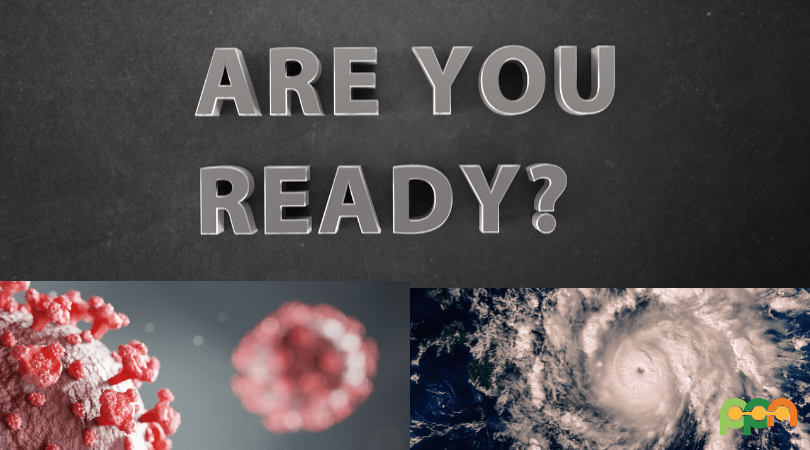
Just when you thought you had the worst year because of COVID-19 - an infectious disease that has spread worldwide Read more
How to survive a pandemic apocalypse
Having an emergency preparation plan is key.  Nations on many continents have had the first-hand experience of a pandemic in the past.  Read more

A blizzard is not just a heavy snowstorm. According to the National Weather Service, a storm is classified as a blizzard when it meets specific criteria: 

This means you can have a blizzard without significant new snowfall, if strong winds and blowing snow drastically reduce visibility. These severe winter weather events often bring freezing temperatures, whiteout conditions, and wind chills that can pose life-threatening risks. 


The Science Behind Blizzards: How They Form and Develop 

Blizzards form when several meteorological elements align: 

Cold Air Mass: A necessary ingredient, typically originating from the Arctic or other polar regions. 

Moisture in the Atmosphere: This comes from nearby lakes, oceans, or areas of low pressure, fueling precipitation. 

Lifting Mechanism: Often a front or low-pressure system that forces the moist air to rise and cool, leading to snow formation. 

Once snow begins to fall, strong winds — often associated with the low-pressure systems — blow the snow into the air, creating blinding whiteout conditions. The combination of these factors is what transforms a typical snowstorm into a blizzard. 


The Effects of Blizzards on Communities and Infrastructure 

Blizzards can have wide-reaching consequences: 

Beyond the physical impact, blizzards can take a mental toll, especially for vulnerable populations like the elderly, children, and those with health conditions. 


Preparing for a Blizzard: Tips for Safety and Survival 

The best defense against a blizzard is preparation. Here are some practical tips: 

blizzard


The Role of Technology in Forecasting Blizzards: Advances in Meteorology 

Thanks to advances in weather forecasting technology, we are better equipped than ever to anticipate and respond to blizzards: 

These innovations allow meteorologists to issue timely warnings, giving communities valuable hours or even days to prepare. 


Embracing the Challenges of Blizzards While Staying Safe and Informed 

Blizzards, while formidable, are not unpredictable. With a solid understanding of how they form, what dangers they pose, and how to prepare, we can reduce their impact on our lives. Embracing technology, promoting community preparedness, and staying informed are key to weathering even the fiercest winter storms. The goal is not just survival — but resilience. 

Understanding the Significance of Preparedness and Peace of Mind 

Preparedness and peace of mind play an essential role in our lives, providing us with the assurance that we are ready to face any situation and can handle the challenges that come our way. 

Being prepared means taking proactive steps to mitigate risks and uncertainties. Whether they are related to personal emergencies or professional endeavors. 

One cannot underestimate the significance of preparedness in safeguarding ourselves and our loved ones. Having a well-thought-out plan, we can better navigate through unexpected events, such as natural disasters or financial crises. 

We can equip ourselves with the necessary resources, knowledge, and skills to minimize the impact of these situations. Thus, this will also ensure a smoother recovery process. 

Peace of mind – A State of Tranquility

Alongside preparedness comes peace of mind – a state of tranquility and certainty that arises from being confident in our ability to handle whatever comes our way. 

Peace of mind allows us to focus on the present moment without constantly worrying about what might happen in the future. It empowers us to make informed decisions, take calculated risks, and pursue our goals with clarity and conviction. 

The Challenges of Being Unprepared: Why It’s Essential to Be Ready 

In a world full of uncertainties, being unprepared for disasters can have a significant impact on our peace of mind. It is crucial to understand the challenges that come with being ill-prepared and why taking proactive measures is essential. 

Here are some of the biggest challenges of being unprepared: 

When disaster strikes, those who are caught off guard often find themselves at a loss for what to do. This lack of preparedness not only affects their ability to respond effectively but also takes a toll on their mental well-being, causing unnecessary stress and anxiety. 

Without proper planning and preventive measures in place, individuals may find themselves exposed to risks and dangers that could have been avoided. This not only puts their lives at stake but also jeopardizes the well-being of their family members and loved ones. 

The absence of contingency plans and resources hampers the ability to bounce back swiftly from adverse situations. Whether it’s dealing with basic needs like food, water, or shelter or restoring infrastructure and essential services, lack of preparation significantly hinders the process. 

The Benefits of Finding Peace of Mind Through Preparedness 

Finding peace of mind can be a challenging task, in times of uncertainty and potential danger. However, through preparedness for natural disasters, we can attain a sense of security and tranquility. The benefits of finding peace of mind through preparedness in natural disasters are numerous and cannot be overstated. 

Firstly, being prepared allows us to feel more in control during these uncertain times. Knowing that we have taken the necessary steps to mitigate risks and protect our loved ones can significantly reduce anxiety levels. This sense of control empowers us to face the future with confidence. Also knowing that we have done everything within our power to ensure our safety. 

Secondly, preparedness promotes self-sufficiency. By having essential supplies such as food, water, and first aid kits, we are less reliant on external assistance during emergencies. This not only provides a sense of security but also gives us a greater ability to help others in need. In times of crisis, knowing that we have the necessary resources at hand instills a deep sense of relief and peace. 

Furthermore, being prepared enhances our ability to respond effectively during natural disasters. Through emergency drills and training exercises, we develop vital skills that enable us to navigate challenging situations with calmness. By having an established plan in place, we can act swiftly and decisively when faced with adversity. This level-headedness not only increases personal safety but also contributes positively to overall community resilience. 

Lastly, finding peace of mind through preparedness allows us to focus on what truly matters: our well-being and the well-being of those around us. When our minds are at ease knowing that adequate measures are taken for potential disasters, we can allocate our energy. This includes other important aspects such as rebuilding lives after an event or supporting others in need. 

The Solution: One-Year Practical Preparedness Roadmap Program

peace of mind

The Practical Preparedness Roadmap program is designed to address these challenges by breaking down the process of emergency readiness into manageable, step-by-step tasks. This comprehensive guide will help you build the skills and knowledge needed to secure your future. Let’s explore the key components of this program. 

Months 1-2: Getting Adequate Supplies and Survival Tools; Months 3-4: Mental and Financial Preparedness; Months 5-6: Storage Tips and Utility Supplies.

While for Months 7-8: Health and Evacuation Preparedness; Months 9-10: Livestock, Gardening & Self-Reliant Skills; Months 11-12: Home Security and Preparedness Lifestyle 

The benefits of finding peace of mind through preparedness in natural disasters are undeniable. By taking proactive steps to prepare for potential emergencies, we gain a sense of control and self-sufficiency. And we also develop the ability to respond effectively during crises. 

Ultimately, finding peace of mind through preparedness allows us to focus on what truly matters – our safety, well-being, and the well-being of our communities. 

So, take the first step towards being prepared.

Check out the Practical Preparedness Roadmap and start your journey to comprehensive emergency readiness today. 

Understanding the significance of emergency readiness is more crucial than ever before, considering our rapidly changing and unpredictable world.

Whether it’s the increasing frequency of natural disasters, economic instability, or the ongoing challenges posed by global health crises, being prepared has transitioned from a fringe concept to a fundamental necessity. 

The modern world is characterized by a series of unpredictable events and potential threats that can disrupt our daily lives, often without warning. While it’s not possible to predict when or where these events might occur, what we can control is how well we prepare for them.  

Well, emergencies can strike at any time, and being prepared for them is not just a matter of personal safety but also a means of securing your future. However, many people encounter significant challenges when it comes to thinking about and acting on emergency readiness. 

Now, let’s explore the challenges people may encounter during and after disasters, underscoring the importance of being knowledgeable and prepared in these times.  

During a disaster, communication can become extremely challenging. Thus, power outages, damaged infrastructure, and overloaded networks can disrupt phone and internet services, making it difficult to reach loved ones or access critical information. 

Disasters often necessitate evacuations, and finding suitable shelter can be a significant challenge. And many evacuees may find themselves in crowded, unfamiliar places, facing shortages of necessities like food, water, and medical supplies. 

Access to medical care can be compromised during disasters, especially if healthcare facilities are overwhelmed or damaged. Those with chronic medical conditions may struggle to access essential treatments and medications. 

Disasters can disrupt the supply chain, leading to shortages of necessary goods. Food, water, fuel, and basic supplies may become scarce, leaving people vulnerable. 

Disasters can have severe psychological effects on survivors. Stress, trauma, and uncertainty can lead to mental health challenges, including anxiety, depression, and post-traumatic stress disorder (PTSD). 

Physical damage to homes, businesses, and infrastructure can result in a loss of property and livelihood. Rebuilding and recovery can take years and significant financial resources. 

Emergency services like police, fire, and medical responders can be overwhelmed during disasters. Response times may be delayed, and resources may be stretched thin, making it important for individuals to be independent to some extent. 

Disasters can lead to environmental hazards like chemical spills, contaminated water, or unsafe air quality. These hazards pose a significant risk to health and safety. 

Certain groups, such as the elderly, children, and individuals with disabilities, are particularly vulnerable during disasters. They may have special needs that must be addressed to ensure their safety and well-being. 

Furthermore, disasters can result in long-term shifts and even homelessness for some individuals and families. Finding stable housing after a disaster can be a major challenge.  

An Unrivaled Approach to Emergency Readiness 

emergency readiness

Now, it is important to be prepared for whatever challenges may arise as mentioned above considering that our world is filled with risks. This is where the Practical Preparedness Roadmap program becomes invaluable. This program offers a clear path to attain emergency readiness through a systematic, year-long method. 

Unlike other programs that give you information, the approach of Practical Preparedness sets it apart. Instead of overwhelming you, this program offers monthly modules released over the course of a year, which include these emergency readiness topics in all aspects: 

emergency preparedness

Moreover, this roadmap ensures a gradual amount of information and allows ample time to put each learning into practice. In addition, this unique strategy not only minimizes the risk of overwhelming you with too much information but also empowers you to steadily enhance your emergency readiness and preparedness over time. 

Practical Preparedness Roadmap is more than a program; furthermore, it’s a lifestyle and mindset. Achieve peace of mind by taking the first step toward being prepared. Start your journey to comprehensive emergency readiness today. 

To sum up, it’s about securing your future and achieving peace of mind. So, why wait? Take the first step towards being prepared. Check out and start your journey to comprehensive emergency readiness today. 

Experiencing a second disaster right when the first disaster is still happening is something we don’t want.  

But this does not mean it is impossible to happen.  

It does not hurt to be proactive and be ready during a series of unfortunate events. After all, natural calamities are beyond our control.  

What we can do, however, is to develop a proactive mindset that is reactive to sudden emergencies. This will lead to doing the right thing even during two disasters (or more) occurring simultaneously.  

Below are some scenarios that may occur and ways on how to respond to them, thus saving money and more importantly, yourselves.  

Scenario 1. Fixing house due to typhoon or hurricane then suddenly a fire happens due to short circuit.  

Make it a habit to listen to the news, weather news to be precise. In doing so, you’d know what to prepare for. For possible extreme weather, do the following: 

Stay alert. Know where to go just in case evacuation is needed. Have your go bag ready and make sure your gas tank is full.  

After a strong hurricane has ended, the first thing you have to do is to check the damage inside your house.  And determine if your place is badly damage. Broken roofs on the road, water supply cut off as well as electricity and phone outages, not to mention your house can be a mess since some of your windows could be broken.  

Just when you are in the midst of finally getting back on your feet after a strong weather storm, another issue arises. A fire hits your basement most probably because of a short circuit brought about by the recent disaster.  

How to protect yourself from being hurt: 

Scenario 2. Buying medicine for a sick family member then going back to your house the road is totally flooded from a busted water pipe. 

Responding to a medical emergency should be done quickly but also safely. As each second counts, having a sound mind is a must.  

As you drive to the hospital, keep on checking on your sick family member how he is doing.  

Even during another disaster, the well-being of the sick person must be the top priority.  

And should it become impossible to pass through the road due to a busted water pipe, waste no time in calling 911. They will know a couple of ways on how to take the sick person to the hospital.  

Scenario 3. Being Laid off from Work Due to the Pandemic and then Quarantining from Home.  

The moment you work for a company, you must know that nothing is permanent.  

Of course, you should do your best. But you must also have a fallback just in case you don’t get regular or worst, you are laid off. And having other sources of income, aside from your regular job, is vital.  

With this pandemic, nothing is certain even if you are working for a multinational company.  

But returning to your parents is not that easy nowadays. Spending 14 days (more or less depending on the country) in a hotel to quarantine is a must and so is having a swab test.  


Indeed, it is costly and tiring. But being with your family during this dark time is the best decision you can have.  

Just make sure you are not only physically, but also mentally prepared for what is to come.  

That’s why knowing what to do in an event like this will save you, your family, as well as money. 

Just when you thought you had the worst year because of COVID-19 – an infectious disease that has spread worldwide and killed millions and which to date has no cure yet though vaccines are available, another natural disaster, a HURRICANE, is coming. 

Strong winds, storm surge flooding, heavy rainfall that can lead to flooding, tornadoes, and rip currents are expected with hurricanes. 

Although it is one of the few disasters that can be detected and predicted, still, hurricanes cannot be completely predictable as the storm may dramatically change its course and/or gain power. 

Thus, it always helps to be prepared though buying last-minute is better than not at all. 

Consider thinking of buying and stocking up on basic necessities, whether you shop in person or online. You may check out great deals from RakutenHoney, and Instacart 

Below are ways on how to survive a hurricane during a pandemic.  

Our friend Lee who experienced 8 days with no electricity, said he was caught off guard. Had he prepared ahead, he could have saved more water for cleaning and drinking so he wouldn’t have to go out to buy water. Not only because it is unsafe to actually go out of the house during that time, but it was costly. 

That’s why if the water supply fails, make sure you have saved enough.  

Stock up with drinking water, energy drinks, and fruit and veggie juices. This will keep you healthy and hydrated at the same time.   

Fill all the containers at home with water for washing and cleaning. This includes your bathtubs. It’s a perfect water vessel to use in the toilet. 

Make sure you have stocked up on Toilet paper, Alcohol, Antibacterial SoapHand SanitizerDisinfectant cleaners. These are needed to keep your hands clean all the time. Because even during typhoons or hurricanes, infections (like COVID-19) don’t take a holiday. 

Hurricane COVID19

Since power outages seldom occur in the US, Lee wasn’t prepared at all. Having experienced more than a week of no electricity, he swears getting a generator is a good investment.  

Charge your power banks, emergency lights, and portable electric supply. Cook first those that are inside your refrigerator before opening canned goods.  

Even after the hurricane is over, you may find your power is still out for an extended period of time. You may want to learn more about what to expect and how to go about it surviving without electrical power, or the advantage of having solar power. 

Have first aid kits and machines (nebulizer, rechargeable sphygmomanometer, thermometer) ready. Keep emergency drugs preparation such as TylenolVitamin CVitamin DZincCough medicine, Cold and flu medicine handy. 

Should any member of the family experience any flu-like symptoms, it is better that you have your own digital monitoring devices to check to verify first rather than rushing to the hospital during this time 

COVID-19 forced you to stay at home and having a hurricane shouldn’t make you leave your home if you’re safe there.  

Expect the worst.  

In the event that cell reception is down, you should have other communication devices with you such as handheld radio, or an emergency radio so, you can get communications from your local officials, and hospitals if needed.  

Keep yourself occupied by reading a good book. It’s also a perfect excuse to go dramatic and romantic by going down memory lane. Explore some of the activities you and your family can do during a disaster and turn this time into a blessing in disguise. Just be creative.

No matter how prepared you are, if your area is under the threat of flood, you must be prepared to leave.  

Discuss backup and evacuation plans with your family. Make sure everyone is properly informed and guided.  

Fill your gas tank. Have a go-bag ready, and keep your face masks and alcohol within your reach.  

According to Lee, on the first two days after the hurricane, they couldn’t leave their house. Aside from flooded roads, trees fell due to the strong wind and blocked the driveways. Plus, electrical wires, often live ones, were submerged in the floodwater. 

Hurricane COVID19

Most importantly, you must be aware of high-risk individuals in your family.  

They will need more precaution and attention the whole time. Always check on them from time to time.    

All in all, my friend’s takeaway from this event is to always have a backup plan.   

We cannot stop a pandemic (COVID-19) or a natural disaster (hurricane) from taking place. But we can keep ourselves safe by being knowledgeable, well equipped, and mentally alert.  

Getting these preparations together and learning new skills takes practice. It’ll take time before you’ll master the art of being practically prepared all the time.  

But don’t delay.  Start today.  Do a little more each week.  Learn a new skill each month.  Soon you’ll be more fully prepared for most unexpected emergencies that come your way. 

Having an emergency preparation plan is key. 

Nations on many continents have had the first-hand experience of a pandemic in the past. 

Guidelines may vary a little, but generally, its purpose is the same – to contain the virus.  

Hand in hand, any pandemic can be controlled if we do our part and follow instructions correctly. 

What do you need during a lockdown? 

preparation of emergency drugs

Here is a sample of the emergency food preparation list.  

emergency preparation plan

If worse comes to worst, the government has no other way to control a pandemic but to lockdown the areas deemed as a threat to the world. 

And it shouldn’t cause panic. 

By getting plenty of rest, eating healthy so as to boost your immune system, you are doing your part in:

Protecting yourself against the virus

How to survive a pandemic apocalypse? 

If you are prepared, 2 weeks confined in your home will just be normal days and will pass by quickly.  

And by obeying what local officials indicate, the virus can be contained, treated, and stopped from spreading. 


Page Created with OptimizePress