
mental health
How’s your mental health during this trying time?  Do you feel the struggle to adjust to this “new normal” surrounding Read more
No one can be too prepared for an emergency especially if it’s as serious as a threat like the COVID-19 Read more
Disaster happens and no one can stop it.   Be it a natural or man-made disaster, even a viral outbreak, the Read more
If one day, you wake up and find out that a pandemic has begun and your area is at risk, Read more
Boosting the immune system is the key to protecting yourself from infectious diseases that are caused by living organisms like Read more
In the midst of chaos, can you still stay calm and think straight? In our everyday lives, what we do Read more


How’s your mental health during this trying time? 

Do you feel the struggle to adjust to this “new normal” surrounding – social distancing, self-isolation, quarantine, or lockdown?

That feeling of making you worry, scared, anxious, down, or bored..well, you are not alone!

During this time, as much as we have to stay inside the house to protect ourselves from COVID-19, it’s not just our physical health that’s at risk, it’s also our mental health and well-being.

Daily routines being changed in a snap can result in depression. Most likely because we lost the things that normally keep us emotionally well.

For the first week of being in lockdown, it’s like the holidays, right?

We appreciate those mornings that we don’t need to wake up early to go to work. We are able to tend to our kids’ needs – cook their favorite food, and play with them. Those areas in the house that we keep forgetting to clean because of being busy at work, we finally have time to do so.

However, in the following weeks, we see the daily number of infected increase exponentially. 

So there’s that feeling that you can’t understand. You know that it’s for the good and safety of your family. 

But it won’t..at least, for now.

Cause on an honest note, we are at war. A war that we can only win if we stay at home. And even though this is far different from countries throwing missiles, and bombs, the casualties here are also those that can’t fight and are helpless.

Some might also have the stress of not getting their paychecks since they cannot go to work because of the lockdown.

And not everyone can work from home, right?

Some companies can no longer provide paychecks to their employees because their operation has been halted. 

How about the impending recession?

The economy and financial stability of each country are greatly affected by the lockdowns. Of course, once this happens, thousands of people could lose their jobs and you may be one of them, companies could go bankrupt, and so on. 

There’s also the fact that there could be a shortage of supplies like food, necessities, anytime now. The government keeps on saying that there will be no shortage of supplies, but people would still be panic buying thus making the supplies limited for days in the supermarket.

And it’s not only adults that can feel depression. Children can likely experience fear and anxiety, too. If parents show that they are anxious, it could have a negative impact on children’s behavior.

So are these in your thoughts from the past weeks?

How are you able to fight that anxiety you feel? 

Check out this “Declutter Your Mind” eBook, which will show you how to practice specific mindfulness techniques that will create more “space” in your mind to enjoy inner peace and happiness. 

Here are also some ways we think that could be of help to protect your mental health during this crisis:


Feel overwhelmed by your thoughts?

Don’t let those frustrations stay inside your head. Just make sure to stay connected and give yourself a sense of purpose to manage your mental health.

No one can be too prepared for an emergency especially if it’s as serious as a threat like the COVID-19 pandemic.

We are at our best when our mind, body, and spirit are on par with each other. 

When there are natural disasters like earthquakes, tsunamis, or hurricanes, expect electricity to be cut off for the safety of the people. Because if not, faulty lines may result in fire or for someone to be electrified. 

In the event of price hikes of basic commodities like oil, rice, and sugar, people usually rally in busy locations. As such, expect traffic jams. 

Public and private establishments are closed during holidays. Some shopping malls and commercial shops operate on adjusted hours. That’s why doing your Christmas shopping early and paying bills beforehand are important. 

Right planning is the key to adapt to unfortunate events such as disasters, setbacks, and emergencies.

But when there’s a lockdown due to a pandemic outbreak, it’s another story.

How can you survive during COVID-19 pandemic?

Let’s face it, no one can be too prepared for an emergency especially if it’s as serious as a threat like the COVID-19 pandemic.

But we can’t just do nothing. Ours and our loved ones’ lives are at stake here. The whole nation actually is. We ought to survive for the next generation to learn from us. 

Below are ways on how to thrive during such a trying time.

We have the responsibility to practice self-care, especially during an outbreak. When there is limited food on the table, eating healthy can be compromised. Don’t dwell on that too much. There are still many ways to take care of yourself such as taking vitamins (C, D, Zinc), having enough sleep, staying active, and practicing social distancing. 

Staying at home doesn’t mean you should isolate yourself from the world totally. Be aware of what’s happening by following news and developments (CNN, CDC). Be updated about the COVID-19 pandemic thru medical sources (HSE and WHO).

Do allow the tension of everyone being at home. Use the opportunity of togetherness to reconnect and strengthen relationships within the family.

Also, communicate with relatives, friends, and/or colleagues who you haven’t heard from in a while. You may exchange tips on what dish to cook, or exchange notes on what movie to watch.

If you are with children, encourage them to keep a “COVID-19 pandemic diary”, in which they can document their experience through writing or art. 

Facilitate creative play ideas:

      1. Set up an obstacle course in the backyard where both adults and children can join.
      2. Do some jumping jacks
      3. Running upstairs
      4. Playing basketball and soccer if you have space.

There are more fun activities to do as a family at home. You just have to use your imagination.

For adults, it’s the best time to work on the long-avoided chores like repairing tasks. Rearranging and reorganizing your room or better yet, your house will consume a lot of your time. And right now, you have the luxury of time.

So go for it! Unleash the Marie Kondo in you. 

Although this is the least we can do during COVID-19 pandemic, looking at the bright side will help uplift morale. It will encourage you to stay healthy, active, and become a ball of sunshine to someone who needs it the most. 

Share inspiration quotes in your group chat. Post uplifting bible verse. Be an instrument of positivity. Make it a little more comfortable for people around you to smile or even laugh a little.  

Remember, ‘this, too, shall pass.’

A lockdown is the last result of the nation. Declaring such will definitely paralyze and affect the economy. 

Understanding the seriousness of this word is what everyone at stake should be doing. In doing so, the sacrifices of the businesses to shut down and medical health personnel to remain in the frontline of combatting the COVID-19 pandemic will not be put to waste. 

Disaster happens and no one can stop it.  

Be it a natural or man-made disaster, even a viral outbreak, the least we could do is to prepare for it so the impact will be less severe. 

And once it strikes, the first 72 hours of survival will likely be the most critical.  

Whether it be finding those who got lost during the disaster, rescuing those who got stuck inside a building, or treating those who have immediate life-threatening conditions, how each one will use their time will matter.   

But it could take time before rescuers reach us if it’s a major disaster. 

So the question is, how can we survive after a disaster on our own? 

Of course, it is important to prepare and practice way before a disaster occurs.  

Though in reality, no one really knows what to anticipate, it is still better to have preparations as this will help a lot to be calm and again, to lessen the impact of a disaster. 

Make sure to read emergency preparedness articles, you may check our PREPARATION blogs here, that focus on how to become self-sufficient and what to do in different scenarios or disasters.  

Take time to stock up on emergency survival kits for you and your loved ones.  

We also recommend going over your survival plan at least twice a year with your family and friends. 

Still not sure where to start? 

We have compiled below some tips to help you survive after a disaster on your own: 

Whatever disasters can be, be it natural or man-made, they are surely unexpected and overwhelming. And because a disaster is always life-threatening, panic, stress, anger, and frustration will always make the situation worse. 

So after a disaster occurs, take a deep breath first, and stick to your preparedness plan. Check your family’s safety, then observe your surroundings. Assess immediate problems and dangers. Finally, make a plan on how to take care of the problem. 

Note that if you let your panic overtake your mindset, you will just make the situation worse, thus, it will put you and your family in more danger. 

After assessing your surroundings, check if there is someone who needs first-aid. If anyone is badly hurt or bleeding, do what you can to prevent blood loss before calling the 911 hotline.  

It is very important to help everyone stay calm no matter what situation you are in.  

When building your first aid kit, make sure to have all of the essentials for any disaster plus warm clothes or wool blankets to retain heat. And make sure to place the kit in an area where you can easily grab it. 

Whenever a disaster strikes, assess the location wherever you are to see how safe it is. If you are inside your house or a building and it is falling or close to falling apart, get out! 

If the disaster is something you can prepare first, find a safe location to evacuate before it strikes. This should be included in your plan because finding an evacuation place will depend on each disaster. So you have to identify the disasters that usually take place in your area so you can find shelter for each disaster. 

Once disaster strikes, signaling for help could be difficult. But don’t let that discourage you.

Make sure you have a whistle, flashlight, reflective mirrors, or bright clothing in your go bag. If possible, start a fire to signal for help but make sure to be cautious because it could be dangerous in a place you’re at. 

Staying hydrated is very important to anyone’s survival since it’ll keep you alive. If there’s a chance you cannot locate your go bag, boil, filter, or purify the water you can find it first to make it drinkable. It is important to avoid being dehydrated while in the middle of a crisis. 

Once you know that you are safe from the disaster, the next few days should be how you will provide food for your family.

If it’s a major disaster, the majority of the establishments in your area could be closed or non-operational. So it will be hard for anyone to find and buy food. The best that you can do is use whatever resources you can get in your area. Check this Lost Ways, and learn how our forefathers’ survived in a time when there is no technology like electricity yet. 

If it’s something like a disease outbreak and there’s a lockdown, most likely, supermarkets are still open. But of course, you need to have money to buy food and necessities for your family.  

Do you have an emergency fund?  

If none yet, then you must consider having this as this will take a very important role in your survival after a disaster. Although the government has plans and funds on helping those in need after a disaster, it will never be enough especially if the recovery time will be weeks or worst, months.  

There could be times that you and your family will be on your own. Work could be suspended that you won’t be able to get your paycheck. 

So, how are you going to survive without money?

That’s why it is best if you have emergency money. 

Whatever disaster it is, if you let yourself be caught off-guard, your survival rate would be very low. That’s why preparation is a must! 

You should not always depend on your survival on other people. It is your responsibility to take care of your family more than anyone else. Remember, those rescuers have families also that they need to take care of, too.  

So in preparation, you should always think of ways on how you and your family can survive on your own. Being knowledgeable and prepared in events like this will give you a higher rate of surviving.  

We can never tell what lies ahead. As such, you should know what to do before, during, and after a disaster.  

If one day, you wake up and find out that a pandemic has begun and your area is at risk, what would you do?

This was the question that has been going around since COVID-19 emerged and the majority of the countries started its lockdown.

But since the virus has been growing exponentially every day and wasn’t able to contain the outbreak, threatening other countries or nations, this leads the W.H.O. to accept that this epidemic outbreak has gone pandemic.

Pandemic, which means it is a disease that spreads beyond national borders, possibly worldwide, while an Epidemic affects a large number of individuals within a community or region only.

We have heard about Influenza pandemics that claimed 100 million lives ages ago. It has different strains like the Spanish Flu, which was considered the worst in history, Asian Flu, Hong Kong Flu, and the most recent one, the Swine Flu.

There was also this so-called Black Death that claimed the lives of over 75 million people in the 14th century.

In recent years, Ebola, the Coronavirus family including SARS (Severe Acute Respiratory Syndrome), HCov (Human Coronavirus), and MERS (Middle East Respiratory Syndrome) emerged as an outbreak. Killing thousands and quarantining millions of people, still, these aren’t considered a pandemic, unlike COVID-19. 

With more than a hundred countries battling with this virus, it is so unfortunate that this virus is still growing and infecting people around the globe. Confirmed cases grow exponentially each day, with many people died in a short span of time.

Many countries have announced travel bans. Some countries are enforcing a countrywide lockdown. Other countries, with also a large outbreak, has a voluntary lockdown to suppress this virus from spreading more.


Preparing against pandemic

First, don’t be left behind. Follow the latest update from your favorite news channel or from the reports that agencies like WHO (World Health Organization) have been releasing daily.

We may be caught off-guard now, but most illnesses have symptoms so we can still prepare for it and plan for the worst.

What do we need? Some basic items could be:

These are just basic items  – you may add more. The important thing is you have what your family would need in such a situation, that can last for a while, instead of panic buying and going outside where the threat is just outside of your door.

Also, if one of your family showed symptoms, it is best to treat at home first before going to the hospital.

While above are essentials that you must have in your house, please note that you must not hoard these supplies. Just consider how many people you have in your household, and buy enough supplies for your family.

People are in panic mode right now, and we know that feeling too!

But please bear in mind that it’s not just your family that you should think about. Other people should have those supplies too.

You may have many supplies, but if supplies aren’t available they will be infected, there’s a big chance that you and your family will be infected too!


How to be prepared for a pandemic – “the worst-case scenario”?

Should an outbreak occur in your area, it is best not to go outside for a while. This is the only effective way to protect yourself and your family from a disease outbreak.

Also, make sure that you are in a healthy condition. Do exercise every day, have a little sunlight for at least 20 minutes every morning, eat healthy food and take vitamins/supplements (adult and kids).

But in case going outside among people cannot be avoided, make sure to wear a mask, they say surgical face mask is enough to block/filter viruses but using respirator masks like N95 is much better.

Bring isopropyl alcohol/hand sanitizer always in case it is not feasible to wash your hands with soap outside.

And once you get back in your house, make sure to always wash your hands with soap first and use hand sanitizer/isopropyl alcohol too or take a shower and change your clothes before having physical contact with your family.


How long should you and your family remain isolated?

It depends on where you live. If you live in a city, it may be longer than those living in rural areas that are less populated.

Usually, those living in the city will leave and look for safe, less populated areas because, in a large population, people keep moving around, and each one is possible to be a carrier of the disease.

Listen to the news, especially if your area has been locked down.


What does lockdown mean?

It means “No one goes out. No one comes in.”

It may sound harsh, but this is a very effective way to stop the disease from spreading.

And there are no exceptions. This means that the supplies you have are the supplies you’ll have until the government cleared everyone to go outside.

Once the lockdown has been started, the stores opened will be limited usually those who can provide supplies like medicine and food only.


Do you have the supplies you need to survive a pandemic?

People usually don’t listen to what the government advises but we’re telling you, by the time a lockdown has been announced in your area, it will be too late for you to stock up on supplies.

So since WHO declared that COVID-19 is already a pandemic, go to the nearest store and buy all the supplies that you and your family might need. But again, NO HOARDING!

Prepare a minimum of 4 weeks’ supplies should things get bad in your area.

It is most unlikely that the water and electricity will be cut-off (long power outages), but it’s still best to prepare for this also, just in case.

With a pandemic already here, preparing how to handle such situations will still definitely save you and your family. Make your plan NOW and stick to it. Some people might think you are over-reacting, but don’t let that stop you.

Because a pandemic will still progress so much that it’ll be too late for you to act.

Boosting the immune system is the key to protecting yourself from infectious diseases that are caused by living organisms like viruses and bacteria.

Not only is health considered wealth. It is, in fact, one’s chance of survival during a pandemic outbreak.

These kinds of illnesses can be passed from person to person through body secretions like saliva and blood transfusion.

Examples of these are novel coronavirus COVID-19, SARS, influenza, tuberculosis, Hepatitis A and B, and the common cold.

Our immune system is the first defense in fighting infectious diseases. When it functions well, it can detect viruses, bacteria, and parasites. And upon detection, it has the ability to destroy them right there and then. So to prevent getting sick, we must boost our immune system.

But how?

We have compiled below simple yet effective ways on how to stay healthy and catching prevent infectious diseases.

Generally, we think that good and healthy food is expensive. It is. If you choose to buy in the grocery and organic shops, it would definitely cost a fortune. But if you opt to buy in the local farmer’s markets, it won’t be the case. Purchasing goods that are in season not only costs less but are at their freshest stage making them more nutritious and beneficial when consumed.

And if you plant your own fruits and vegetables, as well as have your own poultry farm, your expense would definitely be a lot cheaper. Grow as much as you can in the space you have no matter how small it is. Plant a sunny windowsill with salad veggies and herbs, grow a container garden on a balcony or turn your yard into a mini-farm. It would definitely make a difference in eating your own produce.

And in effect, you get to do the second equally important way of living well and that is, staying active to prevent yourself in getting infectious diseases.

Being physically active can lower your risk of contracting infectious diseases. It can also prevent common ailments that can cause early death like coronary heart disease, stroke, high blood pressure, high cholesterol, diabetes, and colon cancer.

Taking a brisk walk during your break will give you the boost you need despite being busy with work. Try keeping walking shoes in your car to encourage yourself for a quick stroll in between breaks.

You may also take the stairs instead of the usual elevator in your office once in a while. Riding your bike as much as possible and having a garden to maintain will keep you going, too.

Finding a fitness buddy (or more) will urge you to get moving. If you work from home, you may download a fitness app on your smartphone.

Adopt an active hobby like hiking, nature photography, indoor rock wall climbing, martial arts, and dance classes.

Often taken for granted, having at least 7 to 9 hours of sleep at night is prime. Your quality of sleep directly affects your physical and mental health. It also influences your brain and heart health.

Although your brain stays busy when you sleep, it does a body check in preparation for the day ahead. So if you lack sleep, it will greatly affect your day-to-day living. Your appetite, productivity, vitality, and even immune system can go down and can increase your risk to catch infectious diseases.

Don’t wait until you’re sick before developing good habits and routines.

Remember, prevention is better than cure. Prevent being afflicted with infectious diseases by shielding yourself with the proper attitude and a healthy lifestyle.

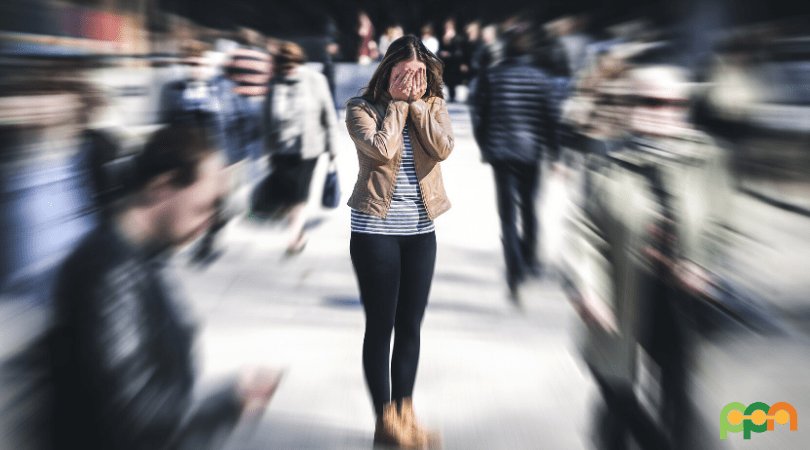
In the midst of chaos, can you still stay calm and think straight?

In our everyday lives, what we do becomes a routine, that we’re so comfortable with it and we tend to ignore preparing for something unexpected.

News about the upcoming hurricane, the unexpected earthquake, tsunamis, tornadoes, terrorist attacks, and people who suffer from epidemics like Flu or Ebola, or Coronavirus. These are news that we watched, but just watched and never really cared to think about what must be done if that happens to us.

So if one day you wake up and everyone around you has gone crazy, will you stay calm?

We bet not.

Because when one person panics, everyone else also panics!

The so-called domino effect.

Especially with social media, they sensualize the news making it worse than what actually happened or happening.

These are people whose job is to create panic. 

Some unverified posts will be shared thousands of times, making people believe right away, making the fake news spread 10,000 times faster than any virus!

So when there is no preparation beforehand, the situation will be pretty chaotic.

Because panic is always equal to chaos. 

And chaos always results in the loss of lives and property.

Decision-making is jeopardized, what others are doing will influence your decisions.

So if one fails, everybody fails.

Because when disaster comes and you’re not ready, you will be caught in the chaos. 

Believe us, bringing your sanity back is harder than you think when people around you are hysterical.

So how can we stay calm in the midst of chaos?

The answer will always be the same. 

PREPARATION

With the news that there is an outbreak in your area or a strong hurricane coming, people are going to run to supermarkets or loot goods.

Not a pretty picture.

People who are really going to need the supplies won’t be able to obtain any.

Online goods will be out of stock too and there will be an incredible increase in price because of supply and demand.

So if you already have a go-bag, you don’t have to drop everything just to run to the nearest supermarket to buy something for your family. 

Chaotic situations will probably be the new normal, but instead of being hysterical, you already have a head start.

Thus, you can think of the next step in planning how to survive with your family. 

With this in mind, we’re sure of one thing.

No matter what disaster comes, you won’t need to panic and can avoid a lot of the insuring chaos around you.

Page Created with OptimizePress