Power is out.  Now what? Do we have to panic? Well, in this day and age, we could say that Read more
Do not panic? Easier said than done.  Nah! Of course, no one can be too ready for a calamity like Read more
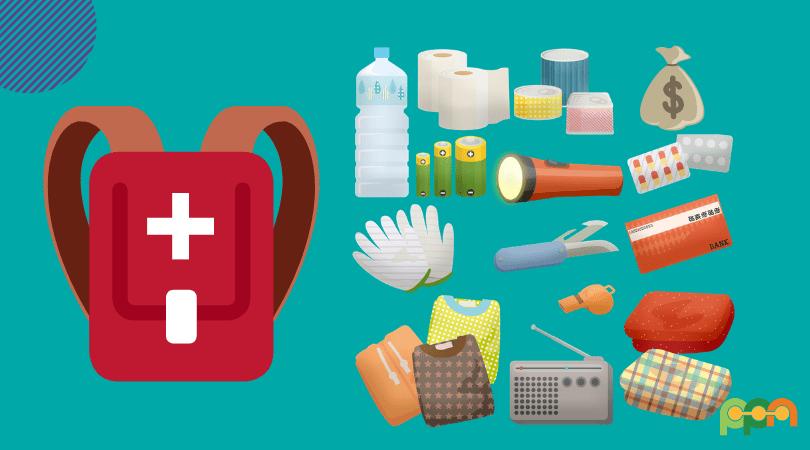
Emergencies can happen any time, so it’s important to have an emergency preparedness kit ready should disasters strike.   When there’s a coming Read more
In reality, hazards can happen even during the happiest of times and even in the comforts of your home. To Read more
Is your fund emergency ready? At least once in every person’s life comes a time when the need is great Read more

We may always hear or read, when it comes to an emergency, we must plan ahead. But do we even Read more


Power is out. 

Now what? Do we have to panic?

Well, in this day and age, we could say that our life depends on 90 percent of electricity! It’s one of the most important things we use every day. 

For starters, our home which is the most obvious place where electricity makes a big difference. 

Almost all the things inside our house require electricity. At night, we need our lights to be turned on. We used refrigerators to store our food and keep them from spoiling. 

Electricity heats our homes in the winter. It makes us feel cooler in the summer by using air conditioners and fans. We also wash and dry our clothes in machines instead of using washboards and clotheslines. We shave with electric razors, mow our lawns, and make milkshakes in blenders. Most importantly, we charge our gadgets by using electricity. 

Even the security of our house also depends on electricity! Our security systems, security videos, etc.

When boredom strikes, we rely on television to watch our favorite series and keep updated with the news. We also use our smartphones or tablets because electricity made these advancements possible. 

What about commercial establishments, transportation, education, and healthcare sectors, what made them possible? 

It’s because of the electrical revolution.

So when power is out, it’s not like we need to panic.

But without it for a very long period of time, our lives would be radically different, and—in almost every instance—a whole lot harder.

We may say, in this day and age, it is seldom that the electricity will be out for more than an hour, especially if you live in the city.

But what if disaster strikes? Like, earthquake? Hurricane? Or even war?

No one or no place is exempted from this. It can happen at any time, any place. That’s the nature of disasters, they will come and no one can stop them.

So no matter where you live, or what kind of emergency you might expect to deal with, it’s a good idea to think about and plan for a long period of time when you might have to function without power.


Use Alternative Sources of Power

If you can prepare for the power outage, start by making sure your phone and all mobile devices are fully charged. Now is also a good time to stock up on batteries, invest in a small battery-operated power bank, and/or consider buying a generator.

Candles and wood-burning stoves or fireplaces are another great alternative power source that will provide light, warmth, and in the case of a fireplace or stove a way to warm-up and even cook food.

Having several flashlights and spare batteries is always a good idea. You should also keep a small, battery-powered radio on hand to keep up with news and weather forecasts throughout the power outage.

If you have a generator, make sure you know how to use, have plenty of fuel for the generator and always – ALWAYS – run it outside.


Keeping And Preparing Food Without Electricity

If you are dealing with a power outage of only a few hours, simply keep your fridge closed and you should be fine.

But if it lasts longer than that, start eating perishable foods in the fridge first. Cook what you can on a griller or camping stove and toss the rest.

Keep your freezer completely closed and if possible insulate it further by throwing large blankets or comforters over the freezer. Start thawing, cooking, and consuming food from the freezer once you’re running out of fresh food options. Open the freezer as little as possible to keep cold air trapped inside and the food fresh for longer.

You can cook and grill outside with your charcoal or gas grill. If you have camping gear, get out the propane stove and cook on it. If neither one of those is an option, cooking over a small fire is always an option. Do all of your cooking outside to avoid carbon monoxide poisoning or causing an indoor fire.


Staying Warm or Cool Without Power

Keeping warm or cool without power can be a major concern in long power outages.

Insulating your home ahead of time can make a big difference. Close shutters and curtains to trap in heat or cool air for as long as possible. Take advantage of the sunshine and outside temperatures during the day or night to regulate the temperature inside.

Dress appropriately by either snuggling up under several warm layers and a big blanket or wearing as little as possible. Keeping a breeze going can help during hot weather. In either case, make sure you get plenty of fluids (either warm or as cool as you can get it) and aim for plenty of calories in your food if you’re in the cold.


We have seen and heard about a lot of natural and man-made disasters throughout the years. Some areas have had weeks before their electricity came back. So if this happens to your place, how do you think you would be able to deal without electricity? 

This is why planning ahead and being ready are always the best ways to deal with uncontrollable occurrences.

Do not panic? Easier said than done. 

Nah!

Of course, no one can be too ready for a calamity like an earthquake since it’s a natural disaster. Oftentimes, ignorance about the coming disaster leads to fear. And fear will blind you on how to react when your place is already shaking. This will cause more damages or, worst, take lives.

But if you are prepared, the damage will be lessened or better yet, prevented.

FIRST. There’s no need to worry and panic if you secure your home by: 

SECOND. Know your safe place both indoor and outdoor. Study your house and make a mental note of safe places. Do not panic. Know the ‘duck, cover, and hold’. It’s a must.

Also, be aware of then safe places outdoors. Drop to the ground in a clear spot away from buildings, trees, and power lines. If you are driving – pull over, stop and set your parking brake. Avoid overpasses, bridges, power lines, trees, signs, buildings, vehicles and other things that may fall on your car.

THIRD. Have a disaster supplies such as flashlights, batteries, first aid kit, food, and drinks handy. Here’s a guide on how to be self-sufficient during a disaster like an earthquake. 

FOURTH. All the members of the family must be adequately brief and informed on what to do when an earthquake is happening. Even children must be briefed. They must know how to keep themselves unharmed during the event. If all are prepared, there’s no need to panic at all.

When an earthquake has finally stopped, check for the following:

Preparation is important. But the aftermath is what we all want to contain as much as possible. 

Since an earthquake is inevitable, what we are aiming for is to minimize the destruction and prevent loss of lives. Having insurance, evacuation plans, and emergency kits are valuable. 

That’s why being vigilant is the key. There’s shouldn’t be room to panic. Because it is always better to be safe than sorry. 

Emergencies can happen any time, so it’s important to have an emergency preparedness kit ready should disasters strike.  

When there’s a coming cyclone or hurricane, all media sources, even radio are telling people to prepare. Government and non-government organizations are also on the move preparing foodmedicine, evacuation area, etc, so that after the disaster, they are ready to extend their help to the devastated people.  

But this usually happens if we can detect the incoming disaster like a hurricane or a cyclone. 

What if it’s an earthquake? Can anyone prepare for that?

Or what if a war broke or there’s a contagious disease and everyone in your area are not allowed to go outside the house for a few days?

If that happens, do you have the basic emergency preparedness kit in your house? 

Because this so-called “basic kit” will definitely save your life and your loved ones.

Governments around the world are always encouraging their citizens to be prepared in light of more frequent disasters, both natural and man-made. 

Your basic kit should include everything you need to ensure the survival of you and your family for several days or until help arrives.

At a minimum, you should have the following basic supplies:

Drinking-Water

One of the first things that will get you into trouble in any type of disaster or emergency is dehydration. Make sure you have safe drinking water for several days stored. This should be one gallon per person, per day (3-day supply for evacuation, 2-week supply for home). 

 A good alternative or emergency water supply plan is a small water filtration system you can use on unsafe water sources to extend drinking water. 


Food and Accessories

Next, it’s good to have at least some emergency food supply. This is particularly important if you have small children, pregnant or nursing women, elderly, or anyone with diabetes or low blood sugar in your family. They can make it even fewer days or hours with food than you can imagine. Keep some easy, ready to eat food on hand like granola barsmixed nutsbiscuits, and canned foods. Make sure you have tools or accessories needed to open the food containers and utensils to eat with. 

Focus on foods that are non-perishable, easy to prepare items and can be eaten cold in a pinch. Chances are power will be out and you’ll have no way to cook or heat the food you’ll be eating. There should be a 3-day supply for evacuation and a 2-week supply for home. 


Radio, Flash Light, Batteries, and Cellphone

Next, let’s talk about small electronics, or electric, hand-cranked devices. You want to be able to get the information you need and see where you’re going. 

A good flashlight with long battery life is a must, as is a small weather radio and/or a two-way radio. This can be battery operated or hand-cranked. If you’re using battery-operated devices, having a spare set of batteries in your kit is a must. 

Last but not least, when disaster strikes, grab your phone and charger, if possible. You want to be able to get in touch with loved ones as soon as possible.


First Aid Kit

A small first aid kit that includes bandages, alcohol wipes, Band-Aids, scissors, and some basic pain medicines are another must-have. Make sure it also includes any medication you take regularly. If you have family members with severe allergies, antihistamines, or even an epi-pen may be an important and potentially life-saving addition. Prepare for a 7-day supply. 


Assorted Tools

There are various tools that may come in handy in an emergency. A good knife is a must and can come in handy in a variety of different ways. A wrench or a pair of pliers is handy if you need to turn off utilities in an emergency. Candles and matches when electricity is out, and on matches when you’re outdoors, you can use it to start a fire.  

Lastly, consider adding a whistle and flashing light or emergency flares to your tool kit so you are able to alert rescuers to your location.


Sanitation and Personal Hygiene Items

This is often neglected, but if ever evacuation cannot be avoided, you cannot spare some time just to pack your things especially if it’s an emergency, right? So pack some sanitation items for you and your family especially if you have small children. 

Yes, in an emergency, you have to prioritize your safety, but don’t forget that it is also important to make yourself healthy (for the sake of your survival).


Emergency Blanket

This one is also often neglected. If you need to stay at your house, that’s good for you and your family. But what if when you need to evacuate or you need to stay outdoors? This is emergency essential especially if you have kids or elderly. You can make this as multi-purpose. Use as a blanket or try it as a ground cloth, gear cover, first aid blanket, and more. 


Extra Cash

Last, we shouldn’t assume that all banks or ATM machines will be available at all times. When you need to move to a different place, it’s likely that you will need cash in hand. Though credit cards can come in handy, you need to consider if the place that you will be moving to has electric power, or if the terminals are online. So to be sure, always put extra cash into your kit. 

Aside from adding it into your emergency kit, you may also want to know what are other ways you can keep your money disaster-proof. We know how valuable cash is not only on natural disasters but also on man-made disasters too.


When a crisis arises, you have to move quickly, grab whatever you can get and move to a safer place in case it’s not safe to stay in your house. That’s why having an emergency preparedness kit is a must since you can’t think properly because of panic, so instead of packing your things and getting something that isn’t really needed, just put the kit to a place where you can easily grab it. In case you need to stay at your house, this is still essential since you never know when a disaster takes place and you don’t have enough supplies. 

And please remember, your basic supplies should be in an easy-to-carry kit that you can use at home or take with you in case you need to evacuate.

Disasters seem to be becoming more frequent and worse and unfortunately, no one can stop it from happening. We should at least be prepared and equipped with a well-stocked emergency preparedness supply kit that will make you and your family safe and comfortable should a disaster strike.   

In reality, hazards can happen even during the happiest of times and even in the comforts of your home.

To some people, celebration means when relatives and friends get together to eat, laugh, and have fun. Instead of meeting outside, they love to invite people to their house to celebrate.

Because of this, everyone must be proactive in knowing and warding off danger to prevent hazards at home. To give you an idea of the possible things you should be watching out for, here is a list of the hazards that can take place.


Fires, Burns, and Electric Shocks

There’s a reason why the government allocates some of your tax money to fire prevention. Fire accidents, which could be caused by faulty sets of equipment, clutter, human error, or even arson, surely are property-wrecking and life-threatening. If you’re someone who is not prepared for it, it could be very devastating.

To keep yourself away from such a dire situation, here are the fire and electricity-related hazards you should note:


Fractures, Cuts, and Punctures

Another type of hazard or accident that might happen doesn’t involve fire and electricity. These might not be as severe as the previous things we mentioned but are surely worth noting.

To have a safer celebration, these are the things you should be watching out:


Food & Fluid Poisoning

Your holiday food might kill you. That’s a fact. However, it’s not always because of the cholesterol content (although that could also be the cause) but because of the following food and drink hazards:


Financial Crisis

Oh, you should have expected the list to have this too. We are the practical team, remember? Although not a safety issue, these financial hazards can put your security at stake so you should also note the following:


Others

Alas! We’re almost at the end of our list, but the list isn’t over yet. The following are just minor hazards that often happen during a celebration but should never be neglected.


If you think that this list is longer than you expected, well that’s because dangers can be found everywhere if we know where to find them. Accident won’t tip you up when you know they will come, so you better be ready for them. Prevent them as much as possible to have a celebration away from trouble.

Is your fund emergency ready? At least once in every person’s life comes a time when the need is great and the resources are few.

It can be hard enough to make ends meet on a decent wage, but, when the times get tough and the money just is not there to meet the need, a person can easily be in despair.

Should emergency funds be needed, a person can then sleep better at night if he has good financial or fund control.

But are you one of those people?

At this very time you’re reading this:

Do you have emergency funds saved up in your bank account?

Or do you even have savings at the very least?

There is no real magic formula for coming up with on-the-spot emergency funds.

A good deal of thinking through and putting a good plan into action is prime.

If you can do that, you have it made. That is truly all that any one of us can do to secure our future.

Here are some tips that you can start doing before the crisis kicks in:

Your five-year-old desktop is getting creaky. You could wait until it dies. However, according to Murphy’s Law of Money, it will expire at the worst possible moment. Either way, paying for a new computer might not be part of the budget so planning ahead gives you some control over when you take the hit. Start to plan today for what you know will be coming—come hell or high water. Plan smartly for the inevitable.


Finding funds during an emergency can be very difficult if you fail to plan. Establish emergency savings in both good times and in bad. The chance is very good that you will be called upon to put out a sum of money on the spot and when you least expect it.

It is a very good rule of thumb to sock away three to six months’ living expenses. You can also use this same money when you’re faced with major, unplanned expenses such as a car that breaks down or much-needed college funds.

The purpose of this type of savings plan is to put the money away consistently and then tap into it for true emergencies. The success of this type of long-range savings plan will depend less on the rate of return than on, day-by-day, putting the money away and then leaving it there for a true emergency.

Lock it away and then hide the key. 🙂

Having an emergency fund is also a way of protecting your savings.

Click here to learn more about Emergency Money Planning: How to Start Saving Extra Cash

This will help you continue to move forward with your financial goals and help you reach financial freedom even when you face the unexpected. 

That’s why it is very important to establish an emergency fund as soon as possible. It will give you peace of mind through a crisis and will make your financial decisions be easier.

We may always hear or read, when it comes to an emergency, we must plan ahead.

But do we even think of planning for it?

No matter where we are, no matter what we’re doing, everybody is subject to disasters. 

No one is exempted.

When it comes to disasters, not only the natural ones that can cause severe damage and endanger lives, man-made disasters too! Both are terrifying and can be deadly to people and properties.

That is why preparation is essential for the safety of you and your family.

Although government agencies have excellent information to get everyone started, it is still our sole responsibility to make a plan FOR ONCE the inevitable happens.

We are so comfortable with our everyday lives that we tend to forget these things that may occur in our lifetime.

What if when disaster strikes, you and your family may not be together? 

Are you still gonna be relaxed and can think straight of what to do?

Keep in mind, that if people are unprepared, the risk of mass panic can often cause more casualties than the disaster itself. When people think they are in danger, the first reaction can always lead to a more dangerous situation, especially if they are part of a large group of people trying to do the same thing.

But if you have considered making plans, once it happened, you can easily just follow that without you thinking much.

So how are you going to prepare for such situations?

First, it’s important to know what type of disasters could affect your area. Is your place prone to earthquakes, hurricanes, or wildfires? Or does your country has terrorism or impending war threat?

After identifying what threat you could be facing, start your emergency plan by putting together a plan and discussing this with your family. 

Here are some questions you can use to start with.

Surely, we have to consider that there could be power outages during and after a disaster takes place. Yeah, each one in the family might have their own cellphones, but what if there will be no cellular signal? Or power outages might take several days, there’s no way we could charge our phone?

Here’s where radio communication can come in handy. Amateur radio communication is often used in times of crisis. You can try to check this Arcshell Rechargeable Long Range Two-Way Radios. They’re small and convenient in size; they will easily fit in your hand; are solidly built; it is water-resistant and the best part, it’s easy to operate for all ages!

When disaster strikes, sheltering is a necessary action to seek protection. It can be in your house, where you work, at friends or relatives’ house, or other locations. 

To effectively plan this, you have to consider first the nature of the disaster that can happen in your area then choose a place in your house or other building that is safe for that hazard. There may be situations like for example a tornado, it’s simply best to find a room that is in a basement in your house or nearby building.

And during the sheltering, you need to ensure that you have food and water supplies for you and your family.

There may be times that a disaster may cause an evacuation. In some situations, you may have a few days to prepare, while in other instances, it might be an immediate evacuation. 

This is why planning ahead is vital for anybody to evacuate quickly and safely no matter the circumstances. 

Identify several places you could go in an emergency like a friend’s or relative’s house in another town. Choose destinations in different directions so that you have options during an emergency.

You also need to assemble supplies that you can grab right away in times of emergency.

You can check this Family Emergency Survival Bag/Kit that is equipped with 72 Hours of Disaster Preparedness Supplies for 4 People. 

Preparing for a disaster might seem like an impossible task but remember, disasters don’t plan ahead, BUT YOU CAN.

Page Created with OptimizePress