Understanding the issue should be the primary concern, know your enemy, as they say. Only then will you know all Read more
Being in a lockdown means you cannot go outside of your area or no one from outside your area can Read more
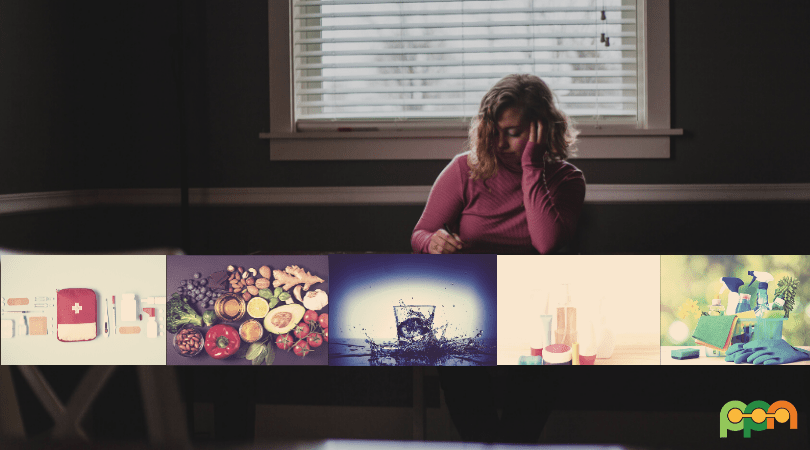
Right now, there’s a panic caused by COVID-19 which imposes lockdown on certain areas.  The information in the world wide Read more
If one day, you wake up and found out that a global pandemic has begun and your area is at Read more
With so many, unfortunate events happened around the globe recently, it is so sad that there are still people who Read more
Coming from the Greek word skhole, school means a place of discussion and/or leisure. It is where the brain undergoes Read more


Understanding the issue should be the primary concern, know your enemy, as they say. Only then will you know all the threats so you may start working on how to prevent them from happening. The big question now is, between an epidemic and a pandemic, which of the two should we be more afraid of?

When the Coronavirus, officially named COVID-19, emerged in early 2020,  the information available on the internet, particularly on social media platforms, was causing people to overreact and panic instead of being prepared and shielding themselves from it.  

If you are among those who are still clueless on what to do should there be an announcement that a virus has spread to your area or worst, a lockdown is implemented at your place, then you ought to read “How Prepared Are You When A Lockdown Becomes A Must?” to be guided accordingly. 

Let’s face it when we panic we tend to lose our focus. This will cause more chaos in the future. 


What is an Epidemic? 

It is the sudden increase in the number of cases of a particular disease. It should be more than what’s expected in a specific area

An example of an epidemic is the emergence of Severe Acute Respiratory Syndrome (SARS) in 2003 causing the death of around 800 people around the world. 


What is Pandemic?

It is an epidemic that has unfortunately affected a large number of people and has spread over countries or continents

Pandemic diseases took millions of people’s lives. Some of which includes COVID-19, HIV or AIDS, and different type of influenza.

Understanding the difference between the epidemic and pandemic we can see that the latter is the more serious threat here.

A pandemic outbreak can cause economic and social disruption.  Some of which are illnesses and worker absenteeism.

Especially, if it affects the key services such as those in line with transportation, communication, or power.

For a more thorough discussion on the pandemic outbreak, you may want to read this article, When A Global Pandemic is Right Around the Corner.

Instead of panicking, try preparing

The only thing that can save us is if we have foreseen the possibility of that worst-case scenario is if we have prepared for it. 

Click here to gain access to how to prevent and combat a viral disease outbreak through Practical Advice for Pandemics.

Also, here are reading options related to the topic that you may want to read or listen to for a better understanding of epidemic and pandemic  

Being in a lockdown means you cannot go outside of your area or no one from outside your area can go in. Sometimes, it’s affecting your mental health and how you maintained being sane.

It doesn’t mean you have to stay inside your house the entire time. But if it’s because of an epidemic, you wouldn’t want your family to be exposed to viruses.

Total isolation is the only way from preventing an outbreak.

Diseases can be airborne. You’ll never know if your neighbor has it, or someone could pass by, or have physical interactions with your kids, which could then infect them.

We shouldn’t panic, but when it comes to our family’s safety, we cannot avoid being paranoid.

So what are some activities you could do to avoid boredom and keep yourself sane?

Just think that lockdown is just a rainy season and all of you have to stay indoors. 

Let them watch their favorite series first in the morning while you do the cooking. Because normally, boredom strikes in the afternoon.

Here are some activities you could do with your family during a Lockdown:

  1. Try doing some baking together as a family. Let your kids be in-charged in your kitchen (with supervision, of course!). Let them use their imaginations and have fun while baking.
  2. Be sure you have a deck of cards in your cabinet. Grab a deck of cards, teach and play with your kids the simple joys of Rummy or Slapjack or Go Fish or Imperial Kids – War.
  3. Decorate cupcakes. Buy pre-made frosting or cupcakes and set up a decorating station with whatever candies, nuts, and sprinkles you have in your kitchen.
  4. Of course, play video games.
  5. Pull out the building blocks and Legos.
  6. Grab and open those activity books that have just piled up.
  7. Make an indoor treasure hunt and camping! This will surely be an enjoyable moment for the family!
  8. Assign each one of the family their own task like cleaning the living room, kitchen, etc.
  9. Cook food together.
  10. Watch movies together.

And while being in isolation or lockdown, remember to stay healthy. Stress, panic attacks, and fear of being isolated can greatly affect your health.

While inside the house, make sure that you and your family are taking proper vitamins and nutrition. This is a deterrent to disease. 

Since supermarkets/stores might be closed due to the outbreak in your area, you won’t be able to buy and eat fresh fruits so you’ll want to have plenty of Vitamin C (for adults and kids).

Also, you won’t be able to walk or play under the sun, so better stock with Vitamin D too. Additionally, there should be plenty of nutritious food to keep your family fed and healthy for an extended period of time.

Lockdown can bring a lot of stress to anyone and affects how you keep yourself sane during these times. But it doesn’t mean you can’t be happy while staying inside the house.

Make this a perfect opportunity to play and have quality time while keeping your family safe and healthy.

Right now, there’s a panic caused by COVID-19 which imposes lockdown on certain areas.  The information in the world wide web is overflowing that one may have a hard time absorbing all of it causing added fright to the public. Thus, we have compiled and simplified them in this article and shared some tips on how we can be prepared for its counter effect.

First and foremost, what is this COVID-19?

Declared by the World Health Organization (WHO) as a public emergency of international concern and a pandemic, the COVID-19  originated at Wuhan, China on 31 December 2019.

The common signs of COVID-19 are respiratory symptoms (like stuffy nose, sore throat), fever, cough, shortness of breath, and/or breathing difficulties.

A more serious effect of this virus can cause Pneumonia (especially to older people, people with heart disease, or with weakened immune systems), middle ear infections (for children), severe acute respiratory syndrome, kidney failure, or worst, death (3 percent mortality rate).

It can be contained by washing hands for at least 20 seconds with soap and water. If it’s not available, cleaning your hands using alcohol is fine. Refrain from touching your eyes, nose, and mouth. Also, keep away from people who are infected within about 6 feet.

Aside from people to people, the COVID-19 can be transmitted from animals to people. As such, avoid contact with animal markets, and live or dead animals (including raw meat) as much as possible. If not, make sure to wash your hands properly right after.


What then do you need during a lockdown?

As stated in our previous article When a Global Pandemic is Right Around the Corner, a lockdown means, “No one goes out. No one comes in.

Since the vaccine against the COVID-19 is still being formulated by medical professionals, social isolation or lockdown is the best way to stay safe and healthy. Avoiding contact with people who have the illness is the only way to prevent getting the virus.

Preparing for at least 2 weeks’ supply of food, water, and medicine is prime.

Be sure to stock up the medical supplies like vitamins and minerals, cold and flu medicines, cough drops or lozenges, a first aid kit, and your existing maintenance medicines.

Since keeping good hygiene is important to combat the COVID-19, having cleaning supplies such as disinfectant spray, antibacterial soap, alcohol, and hand sanitizer should also be kept. Do not forget your personal hygiene supplies, too such as soap, feminine wash, shampoo and conditioner, lotion and skin care products, toothpaste, and deodorant.

Everyone should wear a surgical mask. There are several masks available in the market depending on the use. Find what’s suitable first before buying. Do some research.

Stock up your pantry! Be sure to have enough food for a good 2 weeks. Better prepared than starved.

Here are sample food items that are easy to cook and/or prepare and consumed:

The government will have no other way to control a pandemic but to impose lockdown.

And it shouldn’t cause panic.

By getting plenty of rest, eating healthy so as to boost your immune system, you are doing your part in protecting yourself against the virus.

Moreover, f you are prepared 2 weeks confined in your home will just be normal days and will past by quickly.

The virus can be contained, treated, and stopped from spreading by obeying the protocols that local officials indicate.

Hand in hand, we can control any pandemic if we do our part, and follow instructions correctly.

If one day, you wake up and found out that a global pandemic has begun and your area is at risk, what would you do? 

We say pandemic, not an epidemic, which means it is a disease that spreads beyond national borders, possibly worldwide, while an epidemic affects a large number of individuals within a community or region only.

We have heard about the Influenza pandemic that claimed 100 million lives ages ago. Influenza has different strains like Spanish Flu, which was considered the worst in history, Asian Flu, Hongkong Flu, and the most recent one, the Swine Flu. There was also this so-called Black Death that claimed the lives of over 75 million people in the 14th century.

In recent years, Ebola, the Coronavirus family including SARS (Severe Acute Respiratory Syndrome), HCov (Human Coronavirus), MERS (Middle East Respiratory Syndrome), and COVID-19 emerged which killed thousands and caused millions of people to be quarantined. 

Scary isn’t it? 

So how do we prepare for something like a global pandemic?

First, don’t be left behind. As soon as you hear the first news or read the article about the disease, begin preparing. Follow the latest update from your favorite news channel or from the reports that agencies like WHO (World Health Organization) have been releasing daily. We may be caught off-guard at times, but most illnesses have symptoms so we can prepare for it and plan for the worst.

What do we need? Some basic items could be:

These are just basic items  – you may add more. The important thing is you have what your family would need in such a global pandemic situation, that can last for a while, instead of panic buying and going outside where the threat is just outside of your door. Also, if one of your family showed symptoms, it is best to apply for basic medicine first before going to the hospital.


How to be prepared for a pandemic – “the worst-case scenario”?

Should an outbreak occur in your area, it is best not to go outside for a while. This is the only effective way to protect yourself and your family from a disease outbreak.

But in case going outside cannot be avoided, make sure to wear a mask. They say a surgical face mask is enough to block/filter viruses but using respirator masks like N95 is much better.

Once you get back in your house, make sure to wash your hands first and use isopropyl alcohol too before having physical contact with your family.


How long should you and your family remain isolated?

It depends on where you live. If you live in a city, it may be longer than those living in rural areas that are less populated. Usually, those living in the city will leave and look for safe, less populated areas because, in a large population, people keep moving around, and each one is possible to be a carrier of the disease.

Listen to the news, especially if your area has been locked down.

Remember, an emergency preparedness guide should be second nature during self-isolation.


What does lockdown mean?

It means “No one goes out. No one comes in.

It may sound harsh, but this is a very effective way to stop the disease from spreading. 

And there are no exceptions. This means that the supplies you have are the supplies you’ll have until the government cleared everyone to go outside. 

Once the lockdown has been started, you cannot go to the supermarket to get some more supplies.


Do you have the supplies you need to survive a pandemic?

People usually don’t listen to what the government advises but we’re telling you, by the time a lockdown has been announced in your area, it will be too late for you to stock up on supplies. So once a global pandemic broke the news for the first time, go to the nearest store and buy all the supplies that you and your family might need.

You need to prepare a minimum of 4 weeks’ supplies should things get bad in your area. It is most unlikely that the water and electricity will be cut-off (long power outages), but it’s still best to prepare for this also, just in case.

Preparing how to handle such situations will definitely save you and your family. Make your plan and stick to it. Some people might think you are over-reacting, but don’t let that stop you.

Because a global pandemic can progress so much that it’ll be too late for you to act.

With so many, unfortunate events happened around the globe recently, it is so sad that there are still people who are not familiar with a respirator mask.

What people know or use often is the surgical mask which is intended to be worn by health professionals during surgery. 

But during a disaster or outbreak, it should be a respirator mask.

A respirator mask is a special type of apparatus designed to prevent the wearer from inhaling any type of contaminant or hazardous substances present in the air. 

It is potentially lifesaving, won’t cost a lot of money, but is often overlooked. 

The importance of something that can help you breathe without sucking harmful particles or vapors into your lungs cannot be overstated. After all, in any survival event, air comes first, always, then water, then food.

So we made this article to help identify and classify different kinds of masks and when to use each.


Respirator’s Masks Classifications

When purchasing respirator masks, the major question is what kind to get.

There are many different classifications, but here, we will just discuss the 3 most common and popular types:

N, R, and P series masks

These letters are classes that indicate the resistance of the mask to oil and are assigned and approved by The National Institute for Occupational Safety and Health (NIOSH). 

N – no resistance to oil

R – somewhat resistance to oil

P – strongly resistant to oil

Then there are numbers, generally between 95 and 100. The number indicates the percentage of potential leakage.

95 – filters out 95% of airborne particles

99 – filters out 99% of airborne particles

100 – filters out 99.97% of airborne particles

The type of filter you’ll need will depend on the type of threat you are facing. We recommend to not spend money on anything less than 100 series filters unless it is for something very minor, like working with various dust.  They will filter out the smallest of particulates and because you’ll never know what type of threat you’ll be facing, the best idea is to filter out as much as possible.

If you can only get one kind, get the P100 type because this will be resistant to just about any threat. This type comes in a reusable and disposable version. If you get the reusable type, be sure to stock up on replacement filters.


When would you need a Respirator Mask?

Here are the lists of different situations that count as viable reasons to wear a respirator:


If you live in a wildfire country, your emergency basic kit should contain swim goggles and N100 masks for everyone in the family. In the event of a fire, the goggles will protect your eyes from the smoke, and the respirator mask will help you breathe despite the ash and smoke. These would also be helpful during a house fire.


If a war between countries occurs, then surely a nuclear strike will be fired. Though it may not automatically be a death sentence if you are outside the initial blast zone, exposing yourself to the radioactive aftermath can be the cause of your demise. Wearing gear like a P100 mask, goggles, and a Tyvek suit will provide some protection for you from radiation.


If an airborne contagious illness is spreading, you can use N100 or P100 mask to prevent inhaling the virus. But it all depends on the size of the virus (this information will generally be available from the CDC. Ebola, for example, is .02 microns, so the protection of a 100 series mask is essential.


When a building collapse, many dangerous particles will be floating through the air. Like what happened during the 9/11 attack. The first responders and people working at the WTC on 9/11 ended up with multiple myeloma, a cancer of the blood. Thousands of people have fought off cancer, only to have it recur repeatedly and a new study says also cardiovascular disease is also a high risk. (source

During the search and rescue for any type of structural collapse, for example, an earthquake, an N-series mask will work in this situation to protect the lungs from the toxic debris floating through the air. 


If you are doing any type of work in which dust particles are prevalent, you can either go for the disposable type for a single-use or reusable mask that goes with replaceable filters.

For example, sawdust, an inexpensive N95 mask will suffice. If you’re cleaning up an area in which rats have been present, you’ll need to be concerned about hantavirus, and an N100 is in order. Particles from welding can be very small, also necessitating an N100 mask. A bigger number means greater efficiency.


When doing some spray painting work or using strong chemical solvents, you can protect your lungs with a P100 mask.


When seeing a large angry crowd, better stay away from them. Moreover, if some reason you’re in the midst of one, the opposition will use tear gas to disperse the crowd. Only a P-series mask will help in this situation.


One of the biggest risks if you survive the eruption is breathing in volcanic ash. An N95 mask will protect your lungs.


Mold exposure can lead to a variety of allergic reactions and individuals currently suffering from asthma and certain respiratory diseases will experience worse effects. In order to reduce potential health risks, the N100 mask will protect you from the spores.


What are some good respirator masks we can recommend?

If you are going to add respirator masks to your basic emergency kit, it is better to practice putting them on. When you need them, seconds may count and there won’t be time to be bumbling around.

Below, you can find links to some of the respirator masks that we recommend:

In most situations when you’ll need a mask, safety goggles will also be necessary. Get the kind with an elastic band around the back and rubber around your eyes to ensure a good, snug fit. 


Do you have protective respirator masks on hand already?

If so, what type do you use and keep? Why?


Coming from the Greek word skhole, school means a place of discussion and/or leisure.

It is where the brain undergoes mental gymnastics and is in a state of fun at the same time.

But natural disasters and ASES (active shooter events) can happen anywhere, even in school.

With this, learning in school becomes not ‘fun’ at all.

It’s actually scary!

Because of this, school management, teachers, and students must be prepared at all times.

Natural disasters 

Most natural disasters are predicted with the modern instruments man now has. This will give a fair warning when to evacuate.

But it is not always the case.

Click on the links below to learn how to protect yourselves should a particular natural disaster occur.


Unexpected disasters may happen anywhere including schools.

That’s why campuses must know if their area has natural disaster risks. They must have an action plan and proper resources to protect everyone during a disaster.

ASES or Terrorist Attack

In 2017, there were 29 ASES recorded in the United States alone. And sadly, recent active shooter incidents involved a lot on school grounds. Campus shootings and terrorist attacks have been rampant for the past years in different states.

There is no pattern or method to their selection of victims or places. Active shooter situations are unpredictable and evolve quickly. Since officials still have not ruled out the reason for these occurrences, more schools must increase preventive measures and emergency plans.

The successful prevention of these active shooter incidents lies with a wide range of public and private entities all working together.

One must be vigilant of suspected threats like unattended bags in public areas, people trying to enter secluded places as well as those who are wearing bulky clothing. They may be hiding bombs underneath.

Because we cannot predict where an active shooter event will take place, what we can look into are the recent events and statistics for indication. Since there’s a high percentage, 45 percent in schools, as a ground for such occurrences, school management must educate the teachers and students on how to analyze the possible threats, what to do during the event, and what to do right after.

Page Created with OptimizePress